

15 Essential Things Needed to Start a Business: A Step-by-Step Checklist
Starting a business can be an exciting yet daunting task. There are many aspects to consider and steps to take to ensure the success of your new small business.
To help guide you through this process, we have created a step-by-step checklist of 15 essential things that are needed to start a business.
📖 Key takeaways
- Many entrepreneurs skip the foundation steps when starting a business and pay the price. Without a business plan or market research, they launch businesses that may not be viable and waste time, money, and effort.
- Imagine pouring your heart and soul into a new business and then finding out halfway through that your target market doesn’t need or want what you’re offering. Pivoting or starting from scratch can be brutal.
- To avoid these mistakes, you must follow this comprehensive checklist that includes everything you must take into consideration to start a business. These steps set your business up for long-term success.
I. Business Planning
Starting a business doesn’t mean that you have an idea and you will start a business. Yes, you can. However, the chances of building a successful business will be very small. Starting a business will require preparation or planning, and you must take the steps very carefully.
1. Refine Your Business Idea

Refining your business idea is a crucial step in the business planning process that can set the foundation for your success. Begin by researching existing companies in your chosen industry. You want to understand what current brand leaders are doing, which can provide invaluable insights for your new startup.
For example, as a consultant for a startup, I often guide clients to analyze competitors’ strengths and weaknesses. This analysis not only helps you identify gaps in the market but also allows you to figure out how you can do it better or deliver something unique.
Once you understand the competitive landscape, it’s time to create a business plan. Your business plan will serve as a roadmap, improving your initial idea and outlining how you intend to execute it.
It’s essential to consider your expertise, the time you can invest, and the financial resources required when choosing your idea.
For instance, when I worked with a tech startup, we focused on the founder’s programming skills and limited budget, deciding to build a minimal viable product (MVP) that could be developed quickly and tested with users.
2. Do Market Research
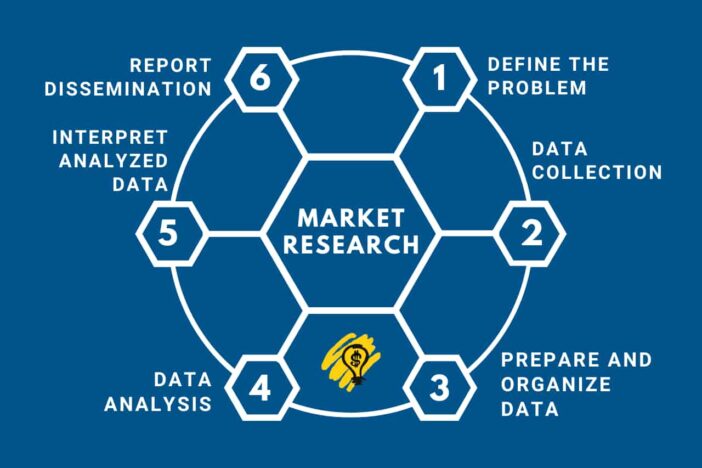
To really understand the demand for your product or service, you need to research the competition and get inside the head of your target audience. As a consultant to many startup companies, I’ve seen firsthand how market research can shape a business strategy.
Start by doing both primary and secondary research. Primary research is gathering data directly from potential customers through focus groups, surveys and interviews. When I worked with a tech startup, we had focus groups to get feedback on a new business idea. The insights we got were invaluable in refining the final product before launch.
In addition to primary research, you need to dive into secondary research by reviewing government statistics and market reports. These resources will give you a treasure trove of information to get a better understanding of your market.
Related: 17 Sources of Market Research Information to Fuel Your Business Decisions
Knowing your small business market and what your competition is doing will help you find gaps and opportunities. When I worked with a retail startup, we analyzed competitor pricing and product offerings, and they were able to carve out a niche. Understanding how your business fits into this landscape is key to making decisions that will lead to long-term success.
3. Create a Business Plan

A business plan is key to your entrepreneurial journey. A business plan essentially outlines what your goals are and what you’ll do to accomplish them. Without one, you won’t have a sense of direction, causing you to waste both time and money.
Start by defining your business purpose, what your products/services are and who you would like to target, and your end goals. This will be the foundation of your whole plan. For example, when I worked with a tech startup, we took the time to write their mission and vision in their business plan, and that helped us to identify their ideal customer and set measurable targets.
Knowing which industry you’re going into will make this easier because you can target the customers of other businesses within that industry.
Now, you can think about your business name. Remember your business name must reflect your core business values.
Next, you need to decide how you will fund your startup costs. This is crucial as it will impact your operational capacity and growth. Having a clear financial strategy is important when considering personal savings, loans, investors, or other financial institutions.
Using a business plan template will help you to get your thoughts in order and make sure you cover everything. A good business plan is a roadmap that will guide you through every stage of your business. It should include descriptions of your products or services, financial projections, and budgets. I have helped many business owners create a full business plan that got them funded and set up for long-term success.
Related: How to Write a Business Plan in 36 Steps
II. Business Setup
4. Business Structure

Choosing the right business structure is important when starting your own business, as it can affect your future taxes, personal liability, goals, and daily operations.
You have options: sole proprietorship, partnership, corporation, and limited liability company (LLC). Each has its pros and cons, and you need to choose the one that fits your current situation and goals.
For example, sole proprietorship is the easiest if you’re going solo. You have full control and get all the profits, but remember, sole proprietorship makes you personally liable for any debts or legal issues. Partnership is more suitable if you’re thinking of working with others, as you can share responsibilities and resources.
I’ve seen how important it is for entrepreneurs to understand the implications of their chosen legal structure. For example, while a limited liability company (LLC) gives you limited liability and protects your assets, it also involves extra paperwork and cost. So, assess your business model and potential liabilities carefully.
It’s best to consult a business or legal advisor to get advice tailored to your situation. They can help you navigate the complexities of each structure and make sure you’re making an informed decision. Discuss your options with a tax professional to get a better understanding of how each structure affects your taxes.
Choosing the proper business structure will pave the way for a smoother journey as you establish and grow your business.
Related: Choosing the Right Legal Structure for Your Business: A Comprehensive Guide
5. Register Your Business
First, you must acquire the necessary business licenses and register your business with federal, state, and local governments. This formal registration legitimizes your business and opens doors to various opportunities, such as obtaining funding or securing contracts.
Before you begin the registration process, you must prepare all necessary documents. This preparation can save you time and headaches later on. With one startup a few years ago, we spent a significant amount of time only on gathering paperwork, and it made the registration process much smoother.
Once your documents are ready, acquire taxpayer and employer identification numbers (EIN). An EIN is particularly important; it protects your identity and allows you to file your business taxes separately from your personal taxes. In my experience, this separation simplifies the accounting process and helps establish credit for your business.
6. Open a Business Bank Account
By keeping your business and personal finances separate, you ensure clarity and organization in your financial dealings. This separation is not just a good practice; it’s essential for maintaining accurate records of your business income and expenses.
Having a separate account simplifies bookkeeping and helps you stay on top of your business’s financial health. You can easily monitor your cash flow, make informed decisions, and identify any areas where you need to cut costs or invest more.
Moreover, when it comes to paying taxes, having a business bank account makes it easier to deduct business expenses. Without a dedicated account, you might find yourself sifting through personal transactions to separate relevant expenses, which can be both time-consuming and stressful.
7. Get Necessary Business Licenses
A business license is required for all businesses as it allows the government to know that your business is safe. If you don’t obtain one, you’ll face hefty fines and run the risk of getting shut down. Whatever city you’re operating out of may refuse to grant you a license if you’ve been caught without one.
Depending on your location and industry, you may need to obtain certain business licenses and permits to ensure that your business is operating legally and in compliance with all regulations.
Some common licenses and permits include a general business license, professional licenses, zoning permits, health department permits, and sales tax permits.
Research the specific requirements for your location and industry to determine documents are necessary for your business. Simply you want to obtain these documents to protect you from potential legal issues in the future.
So, it’s important to stay up-to-date with any regulations or licensing requirements changes to avoid any penalties or fines.
III. Financing and Insurance
8. Fund Your Business

Start-up money is a problem that many people deal with because most businesses require a lot before they can get their feet off the ground. You’ll most likely have to spend a great deal of cash before you can start selling a product or service, so you’ll need a financial source to fund the business.
When it comes to funding your small business startup, the first step is to determine how you will cover your startup costs. Begin by assessing the amount of startup capital you need and consider overestimating your figures to give yourself a financial buffer. In my experience, I’ve seen many startups that fail to account for unexpected expenses and struggle to get off the ground.
Related: The Ultimate Guide to Understanding and Managing Business Startup Costs
Develop a Plan for Sustainable Revenue
Next, it’s crucial to plan for sustainable revenue. You want to ensure that your business can remain operational without running out of money too quickly. Think about how your business will generate income and develop a strategy that allows you to build revenue gradually.
For example, in one startup, we put our all focus on creating multiple streams of income, which included subscription models and one-time sales. This approach helped them maintain cash flow while investing in growth.
Explore Alternative Financing Options
Additionally, you must explore alternative financing options that can provide the necessary funds. Crowdfunding has become a popular choice for many new entrepreneurs, allowing them to gather small amounts of money from a large number of people.
Most businesses will seek out investors to bring more experience to the team. This gives business money to purchase things and the investor gets a small percentage of the company. However, finding an investor can be difficult if you don’t have a business plan.
Investors want to know what your business is about and what they can expect to gain from it. Without a plan, they won’t feel confident putting their money into your business. After creating a plan, you can seek investors through crowd-funding or by contacting individuals directly.
Personal Loans and Business Grants
Before getting a loan, try to get investors so that you don’t go into debt. Seek out a loan only after you’ve tried other methods. At the end of the day, paying out of pocket is the best option but it’s better to get a loan than to have nothing.
Personal loans and business grants are also viable options worth considering. I’ve advised clients to apply for grants specifically tailored to their industry, which can provide non-repayable funds that significantly reduce financial pressure.
You can also look at Small Business Administration (SBA) microloans. Here is a list of approved organizations by SBA for microloans that can be up to $50,000.
Equity Financing
Lastly, if your startup has high growth potential, you might want to look into equity financing. This involves raising capital by selling shares in your company. It’s a path that can accelerate your business’s growth, although it does mean giving up a portion of ownership. In my experience those who successfully leveraged equity financing were able to scale their operations rapidly and expand their market reach.
9. Get Business Insurance

Protecting your own business from unexpected incidents like property damage, theft, or customer lawsuits is crucial. To all my clients, I always emphasize the importance of having a solid insurance plan in place. Without the right coverage, you risk losing not only your assets but also your hard-earned reputation.
One of the key types of insurance you should consider is general liability (GL) insurance. This type of coverage can protect you from claims of bodily injury, property damage, and personal injury.
Another option to consider is a business owner’s policy (BOP), which combines general liability with property insurance at a lower cost. This is particularly beneficial for new businesses looking to save on expenses while still securing essential coverage.
Professional liability insurance is also worth exploring, especially if your small business provides services or advice. This coverage protects you against claims of negligence or failure to deliver promised services.
You must research and compare various insurance options to get the right business insurance. In such a way, you not only protect your company but also secure your personal assets from potential risks. I recommend that every business, especially those just starting out, carry general liability insurance to establish a solid foundation for future growth.
IV. Marketing
10. Establish an Online Presence

Start by building a robust business website that tells your story and showcases your products or services. Your website is not just a digital brochure; it’s a platform to connect with your target audience.
Before your grand opening, use your website to generate excitement and attract customers. Share sneak peeks of your products, upcoming events, or special promotions. In my experience, creating buzz and anticipation around a launch can significantly increase initial traffic and customer engagement. It’s an effective way to build a community even before you start operating.
Setting up your website and social media profiles early on can help you develop relationships with potential customers. I often advise my clients to engage with their audience through social media by sharing behind-the-scenes content or responding to inquiries promptly. This approach not only builds trust but also fosters a loyal customer base.
You can do a variety of things on your site that keep visitors engaged, like creating a blog. Blogs will inform visitors about what your business is about and it will convince them that you know what you’re doing.
11. Develop a Marketing Strategy
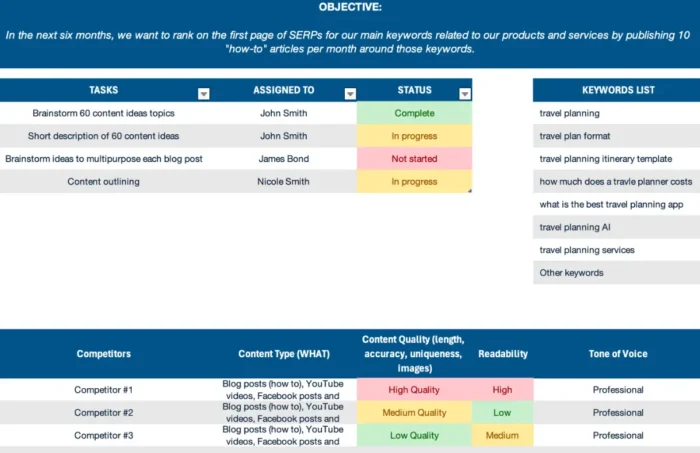
Developing a marketing strategy is crucial for the success of your new business. A well-crafted marketing plan should align with your overall business objectives, ensuring that you target the right audience and effectively promote your offerings.
I’ve seen firsthand how a solid marketing strategy can make a significant difference. For instance, when I assisted a local café in creating their marketing plan, we focused on clearly defining their unique value proposition, which set them apart from competitors.
At the center of your marketing strategy should be a fully optimized website. Even if you plan to operate a brick-and-mortar business, your website serves as a vital hub for information and engagement. It’s where your target audience can learn more about your products or services, view your working hours, and get directions.
Social media is another powerful tool to drive traffic back to your website. It allows you to engage with potential and current customers and build a community around your brand. I advise my clients to utilize platforms where their target audience is most active. For the café, we focused on Instagram, sharing mouth-watering photos of their dishes and behind-the-scenes stories.
Finally, create content that resonates with your audience. Posting interesting and relevant material will keep your followers engaged and eager to learn more about your offerings. During my consultancy, I encouraged the café to share customer testimonials and highlights from local events they participated in. This not only showcased their involvement in the community but also reinforced their brand identity, making them more relatable to their audience.
Related: How to Develop a Content Marketing Strategy in 9 Steps: From Start-to-Finish Guide + Template
V. Operations
12. Facility
All businesses need a facility to operate out of. Whether it’s a storefront or a warehouse, having a facility will make your life easier as it gives you dedicated space solely for the business. Rather than being a start-up that works out of a garage, you should look into a property that gives you enough room to do various tasks.
Depending on the business you have, you may not have to spend a ton of money on a facility. For example, a cleaning service wouldn’t need a large warehouse. Instead, they can buy or rent a small office that has enough space to store equipment.
If you plan on selling products, you’ll need to get a storefront that has a storage area for excess stock. This will let you keep replenishing products as they leave the shelves.
When looking for a facility, try to find something that won’t make you break the bank. Keep in mind that you can expand in the future after you’ve built up your business.
13. Define Required Tools and Technology
To effectively set up your business operations, start by determining the essential tools and equipment you will need. In my experience, I’ve seen how investing in the right technology can simplify processes and improve productivity. For instance, when a client upgraded to a more advanced point-of-sale system, it improved transaction speed and provided valuable insights into customer purchasing patterns.
Once you’ve identified the tools necessary for your business, it’s crucial to consider the costs and benefits associated with each option. Look beyond the initial purchase price; think about ongoing maintenance and support.
Developing a strategy for implementing and utilizing your tools effectively is the next step. This involves training your team and setting clear guidelines on how to use these tools to maximize their potential. For example, I assisted a small business in creating user-friendly manuals for their new office software, which significantly reduced the learning curve for employees and improved overall efficiency.
An essential part of your operations is financial management, and using accounting software can greatly assist you in tracking and analyzing your business’s financials. Choose the right accounting software that not only records sales but also generates insightful reports. From my experience, having access to detailed financial data allowed my clients to make informed decisions and adjust their strategies swiftly.
14. Set Up Business Processes
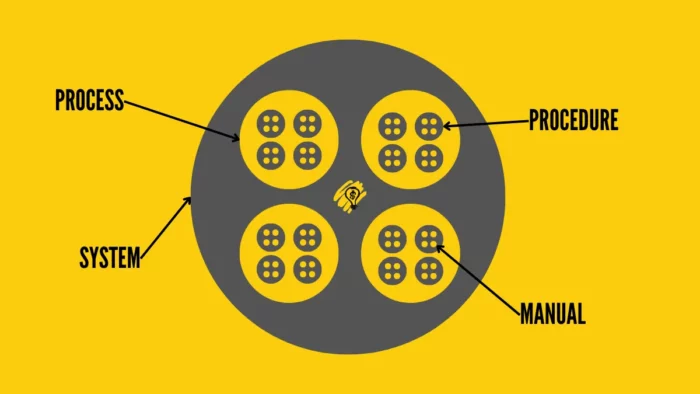
When you start a new business, there are several important processes that you must define in more detail. I am talking about operations, sales, marketing, financial and human resource processes. Implementing these processes from the beginning can save you a lot of time and headaches in the long run. Additionally, having defined processes in place ensures consistency and helps to identify areas for improvement.
Firstly, let’s talk about operations.
Operations Processes
This includes everything that your new business will do to deliver value to the customers. So, you must document your operations processes, from supplies and how your business will run on a day-to-day basis to managing inventory levels and ensuring smooth production or service delivery.
So, here, you must define clear workflows and responsibilities for each task to ensure efficiency and minimize errors. Believe me, it is not the same when you have documented and not documented processes. This will probably look like too much work for you, but according to my database of clients, more than 80% of the success rate is for new businesses with documented operations processes, while only 5% have succeeded somehow without process. Do the job now, and it will be much easier for you as a small business owner when you launch and start growing your small business.
Sales Processes
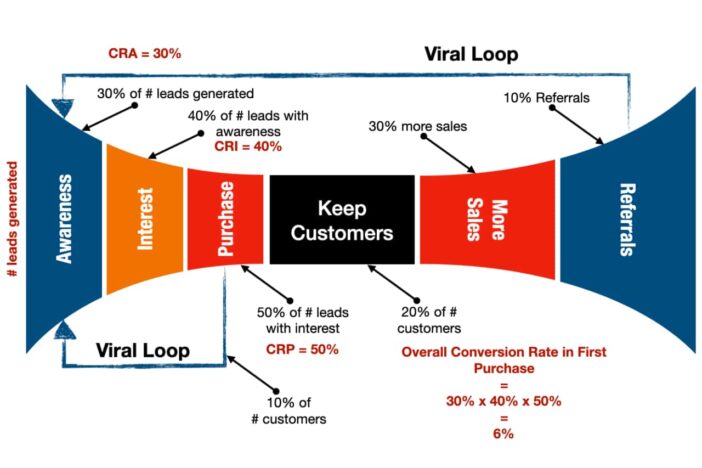
Next up is sales – one of the most crucial functions for any business. Your new business will need a solid sales process that outlines your target market, strategies for lead generation, sales techniques, and customer relationship management. This will help you not only attract customers but also retain them through exceptional customer service.
Marketing Processes
Once you have your sales processes in place, it’s time to focus on marketing. Marketing is necessary for spreading awareness about your business and attracting potential customers. Your marketing process should include strategies for branding, advertising, social media presence, and content creation. By having a well-defined marketing process, you can effectively reach your target audience and differentiate yourself from competitors.
Financial Processes
Managing finances is a crucial aspect of running any business, big or small. As a new small business owner, it’s essential to have financial processes in place that outline your budgeting, bookkeeping, financial statements, cash flow management strategies, etc. This will help you keep track of your expenses and revenue and make informed decisions about the financial health of your business.
Human Resource Processes
As your business grows, you will likely need to hire employees to help you manage the workload. Having well-defined human resource processes can ensure that your employees are properly onboarded, trained, and managed. It’s essential to have clear policies in place regarding employee benefits, payroll, performance evaluations, and disciplinary procedures.
Related: How to Build a System: Step-By-Step Guide
VI. Launch and Growth
15. Launch Your Business

As you prepare to launch your business, the first step is to ensure that your store or office is ready to welcome customers. This means taking the time to set up an inviting space that reflects your brand and meets the needs of your target audience.
Before you officially open your doors, consider hosting a soft opening or trial run. This allows you to test your operations, collect feedback, and make necessary adjustments without the pressure of a full grand opening.
Once you’re ready to open, developing a solid strategy for managing your business and serving your customers is crucial. Think about how you will handle customer inquiries, manage inventory, and ensure a smooth flow of operations.
Advertising your grand opening is essential to generate buzz and attract customers immediately. Utilize social media platforms and local media outlets, such as newspapers, to spread the word. Share engaging content that highlights your unique offerings and invites the community to join you for the grand opening celebration.
Lastly, consider running promotions or discounts to attract customers to visit your new business. Offering a special deal can create excitement and encourage people to check out what you have to offer.
Related: The Ultimate Guide to Help You Plan a Corporate Event Like a Professional Event Planner
16. Grow Your Business

To successfully grow your business, it’s crucial to focus on continuous improvement in order to make a profit and remain sustainable. I’ve seen many times how vital ongoing growth is for maintaining stability. You should regularly assess your strategies and identify new opportunities. For example, with many clients, I propose them to implement regular performance reviews that helped them pivot quickly and seize market opportunities.
Related: Strategies for Achieving Sustainable and Fast Business Growth
Collaborate With Established Brands
Collaborating with established brands and charities can significantly enhance your growth potential. Partnering with reputable organizations not only expands your reach but also builds credibility.
During one of my consulting projects, we teamed up with a well-known charity for a cause-related marketing campaign. This collaboration not only increased our visibility but also attracted a loyal customer base that appreciated our commitment to social responsibility.
Adapt to Change
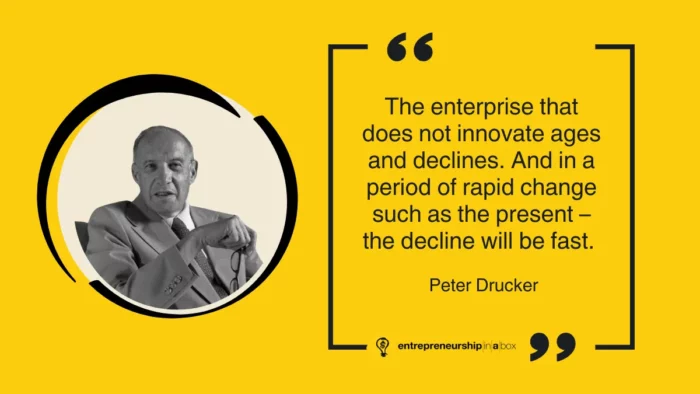
Adapting to changing situations is another key aspect of business growth. The market is dynamic, and unexpected challenges can arise at any moment. It’s essential to remain flexible and ready to adjust your strategies accordingly.
Stay Up-To-Date With the Newest Technology
Automating or outsourcing certain tasks allows you to focus your energy on scaling your business. For instance, I’ve helped startups implement marketing automation tools that not only save time but also improve their outreach efforts. This tech integration frees you up to focus on strategic growth initiatives and customer engagement.
Expand Your Marketing Efforts
Lastly, consider expanding your marketing efforts or improving your product or service. Growth often requires a fresh approach, so don’t hesitate to innovate.
Now You Know the Things Needed to Start a Business
Running a small business isn’t an easy task, but understanding the things needed to start a business will make the process simpler. When you know how to run a business, you can quickly grow and maximize your profits.
By doing these things, you’ll be ready to launch your business and find success.
Start by creating a thorough business plan. Outline what your main goal is and come up with several strategies you can use to reach it. After doing that, you can start doing the other things on this list.
Browse our articles to learn more about starting your own business!
